
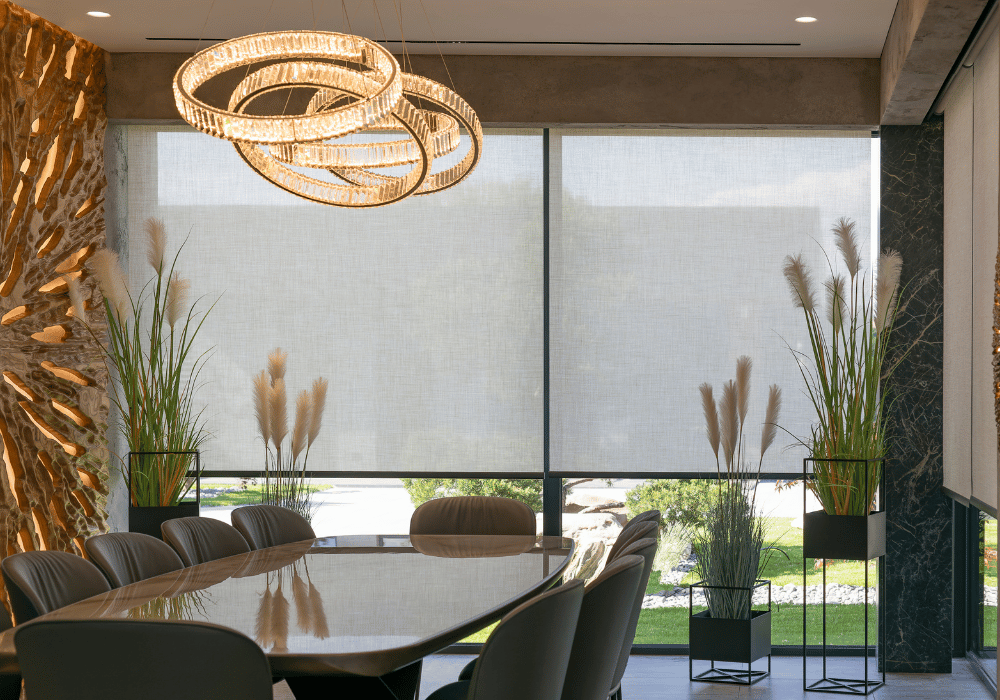
Custom blinds are an essential part of modern interior design, providing a combination of functionality, aesthetics, and personalization. Choosing the right material for your blinds not only enhances your home’s visual appeal but also ensures that they meet your specific needs in terms of durability, maintenance, and budget. Among the most common materials for custom blinds are wood, faux wood, aluminum, and fabric. This blog will walk you through these options, helping you to make an informed decision.
The Timeless Elegance of Wood Blinds
Why Choose Wood Blinds?
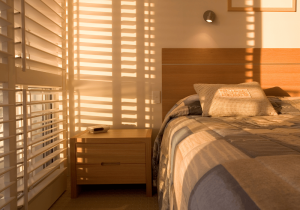 Wood blinds are a classic choice for those looking to add warmth and natural beauty to their homes. Crafted from real wood, typically basswood or other hardwoods, these blinds bring an organic and luxurious feel to any space. They are highly versatile and come in various stains, finishes, and paint options to match a wide range of interior styles, from traditional to contemporary.
One key advantage of wood blinds is their durability. With proper care, they can last for years without losing their charm. They are also lightweight, making them easy to operate, whether as cordless or corded options.
Drawbacks of Wood Blinds
However, wood blinds may not be ideal for every environment. They are sensitive to moisture, which can cause warping or cracking over time, making them unsuitable for areas like bathrooms or kitchens. Additionally, they tend to be on the pricier end compared to other materials.
The Practical Versatility of Faux Wood Blinds
Features of Faux Wood
Faux wood blinds are an excellent alternative for those who love the look of real wood but need a more durable and affordable solution. Made from PVC, composite materials, or a combination of both, faux wood blinds replicate the appearance of real wood while offering increased resistance to moisture, heat, and humidity.
This makes them an optimal choice for high-moisture areas such as bathrooms, laundry rooms, or kitchens. Additionally, they are incredibly easy to maintain; a simple wipe with a damp cloth is usually all it takes to keep them looking fresh and new.
Benefits and Considerations
Faux wood blinds are generally more cost-effective than their wood counterparts, making them a suitable option for homeowners on a budget. They also tend to be heavier than real wood blinds, which could be a consideration for larger windows where heavy blinds may become cumbersome to lift or lower.
Exploring Other Materials for Custom Blinds
While wood and faux wood blinds are extremely popular, there are other materials to consider based on your specific requirements.
Aluminum Blinds
For a sleek and modern look, aluminum blinds are a solid option. They are highly durable, lightweight, and cost-efficient, making them ideal for homeowners seeking an affordable and low-maintenance choice. Aluminum blinds come in a variety of finishes and colors, adding a modern industrial vibe to your home.
Their main drawback is that they may not provide the same level of insulation as wood or faux wood blinds, so they might not be the best choice for energy-conscious homeowners.
Fabric Blinds
Fabric blinds offer a softer, more decorative option. Available in a wide array of patterns, colors, and textures, they allow for extensive customization to suit your interior style. Fabric blinds, especially when paired with blackout lining, can also effectively block light and improve energy efficiency in your home.
However, fabric blinds can require more extensive maintenance, as they are prone to collecting dust and may require occasional deep cleaning to maintain their appearance.
Making the Right Choice for Your Home
 When selecting the perfect material for your custom blinds, it’s essential to consider factors such as the function of the space, your desired aesthetic, maintenance preferences, and your budget. Wood blinds are ideal for those who value timeless elegance, whereas faux wood provides a practical and budget-friendly alternative. If you prefer a minimalist, industrial touch, aluminum blinds might be the right fit, while fabric blinds allow for maximum customization and softness.
Ultimately, the right material for your custom blinds depends on your unique needs and personal style. By considering the features, benefits, and limitations of each material, you can create a home environment that is both functional and beautifully tailored to reflect your tastes.